How to Blackout a Bedroom Without Drilling
You can darken a bedroom without touching the walls. No-drill blackout blinds, tension-rod curtains, portable film and sleep masks for a dark room.
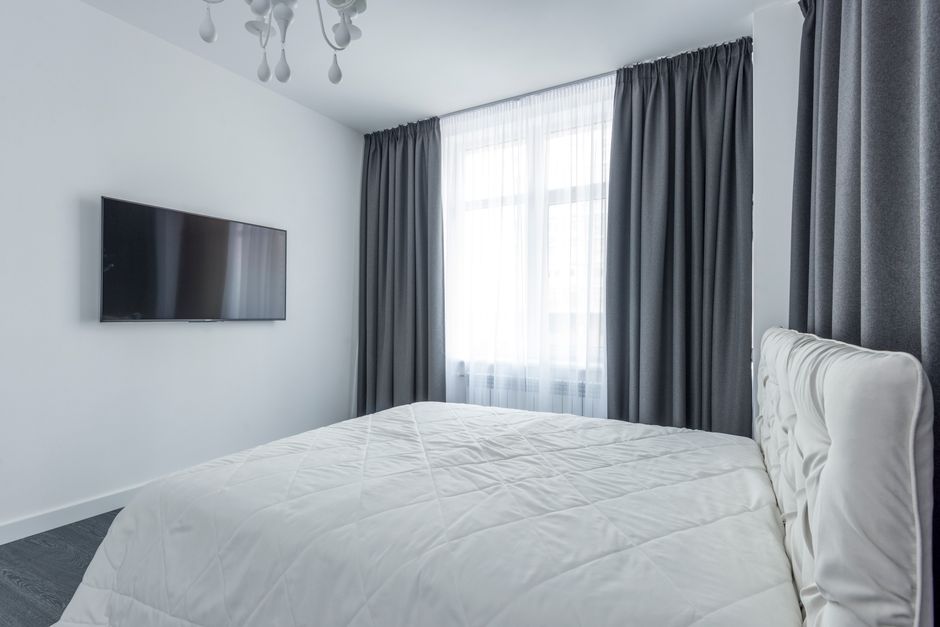
A dark bedroom is one of the simplest changes you can make for better sleep, because light in the evening and early morning nudges the body's natural circadian rhythm, the internal clock that tells you when to feel sleepy and when to wake. The catch for renters is that most proper blackout needs drilling. Happily, there are several ways to get a genuinely dark room with nothing more than suction cups and tension.
Why is a dark bedroom worth the effort?
Light is one of the strongest signals your body uses to set its internal clock, so a bedroom that stays bright from a streetlight or an early summer dawn can leave you waking too early or sleeping less deeply. Darkening the room removes that signal at the times you want to be asleep. It is a one-off effort that pays back every night, which is why it is worth getting right. If you sleep in the daytime, the stakes are higher still - our shift worker's guide to sleeping during the day covers how blackout and light timing work together after a night shift.
One honest trade-off is worth naming before you go all in. The darker the room, the less morning light reaches you, and in a British winter there may be very little to begin with. A properly blacked-out bedroom removes the cue that would otherwise start nudging you awake, which is why some people find they sleep better but wake harder once the blind goes up. If that sounds like you, our guide to dark mornings and light setup covers what to do about the other end of the night.
How do you black out a window without drilling?
Several no-drill options work well:
- A portable blackout blind that attaches with suction cups directly to the glass, ideal for renters and travel
- Blackout curtains hung on a tension rod that presses into the window recess, needing no brackets or screws
- Removable blackout film or static-cling panels applied straight to the glass
- A tension-mounted roller blind inside the window recess
Each darkens the window itself without leaving a mark, so you can take it with you when you move.
What about the gaps around the edges?
The light that ruins blackout usually sneaks in around the edges, not through the fabric. To close the gaps, choose a blind or curtain wider and taller than the window so it overlaps the frame, or mount curtains to the wall rather than inside the recess so they extend past the opening. Blackout film seals the glass edge to edge. For the last slivers of light, a rolled towel along the sill and a sleep mask finish the job.
The simplest option: a sleep mask
If darkening the whole room is more than you need, a good sleep mask is the cheapest and most portable fix, blocking light at the eyes wherever you are. A contoured mask that keeps the material off your eyelids is the most comfortable style, especially for side sleepers. It also pairs well with partial room blackout, mopping up any light that gets past the curtains. For renters and frequent travellers, it is often all you need, and it pairs well with a portable blind to mop up any light the curtains miss.