White Noise Machine for Noisy Neighbours: Does It Work?
A white noise machine makes noisy neighbours far less disruptive so your bedroom feels calmer. It masks sound rather than soundproofing. Here's how.

A white noise machine is one of the cheapest ways to make a noisy-neighbour bedroom feel calmer at night. It will not turn a party wall into a soundproof one, but by adding a steady, even sound to the room it makes the thumps, voices and muffled bass next door far less intrusive, so you can settle more easily. This guide covers exactly what a machine can and cannot do, which noises it masks well, where to put it, and when earplugs are the better call.
How does a white noise machine help with neighbour noise?
The trick is auditory masking. Your brain notices a neighbour's TV or conversation partly because it stands out against a quiet room. Raise the room's constant background sound to a similar level and the intruding noise stops standing out, so your attention stops locking onto it. White noise (a steady blend of many frequencies at once) does this well because it spreads its energy across the whole range, covering speech and clatter rather than just one pitch.
A machine manages this far more consistently than silence can. A silent room amplifies every creak, and every gap leaves room for a sudden voice to pierce through. An even wash of sound closes those gaps, which is why many people fall asleep faster with a machine running even though it technically adds noise to the room.
Will it actually block the noise?
No, and this is the single most important thing to understand before you buy. A white noise machine masks sound; it does not block it. Blocking noise means stopping the sound energy from reaching your ears, which is soundproofing, and that needs mass and sealing (heavier walls, acoustic panels, sealed gaps around doors) rather than a small speaker on the bedside table.
What a machine changes is how noticeable the neighbour noise is, not how loud it physically is. For steady, moderate disturbance that is usually enough to make the room comfortable to sleep in. For a genuinely loud, wall-shaking problem, masking alone will not solve it, and the honest answer is that you may also need earplugs, a friendly word with the neighbour, or building-level soundproofing.
Which neighbour noises can it cover, and which it can't?
Machines are strongest on constant, mid-range sound: general chatter, a murmuring TV, distant traffic, footsteps on a hard floor, plumbing hum. These sit in a similar frequency range to white noise, so a machine covers them comfortably.
They struggle with two things. The first is deep, low-frequency bass, the kind you feel as much as hear from a subwoofer or a party downstairs. Low frequencies travel through the structure of a building and most compact machines produce little energy that low, so the thump still gets through. The second is sudden, sharp noises such as a door slam or a shout, because they spike above the masking level for a moment before your brain can tune them out. A deeper, richer setting (brown noise or a real fan) copes with bass better than a thin, hissy tone, but no machine makes heavy bass disappear.
Where should you place the machine?
Placement makes a real difference. Put the machine between you and the noise, typically on the side of the room nearest the shared wall or the direction the sound comes from, rather than right beside your pillow. That way it fills the space the neighbour noise crosses, instead of just sitting in your ear.
Set the volume just above the level of the noise you are covering, and no higher. The goal is a comfortable, even sound you stop noticing within a minute, not a loud one you have to sleep through. If you can still pick out the neighbour's TV, nudge it up a little; if the machine itself is keeping you awake, it is too loud.
When do earplugs beat a white noise machine?
Earplugs win when the noise is loud, low or unpredictable. Because they cut the sound before it reaches your eardrum, they reduce heavy bass and sudden bangs that masking cannot cover. They are also silent, portable and cheap, which makes them the practical choice in a rented room, a hotel, or any night when the disturbance is severe.
You do not have to choose, though. Many people get the best result by combining the two: earplugs take the edge off the peaks while the machine smooths over what is left. Our white noise versus earplugs comparison weighs the trade-offs in detail, and the reusable Loop Quiet 2 earplugs are a comfortable starting point for side sleepers who dislike foam plugs.
Should you use a machine, a fan, or an app?
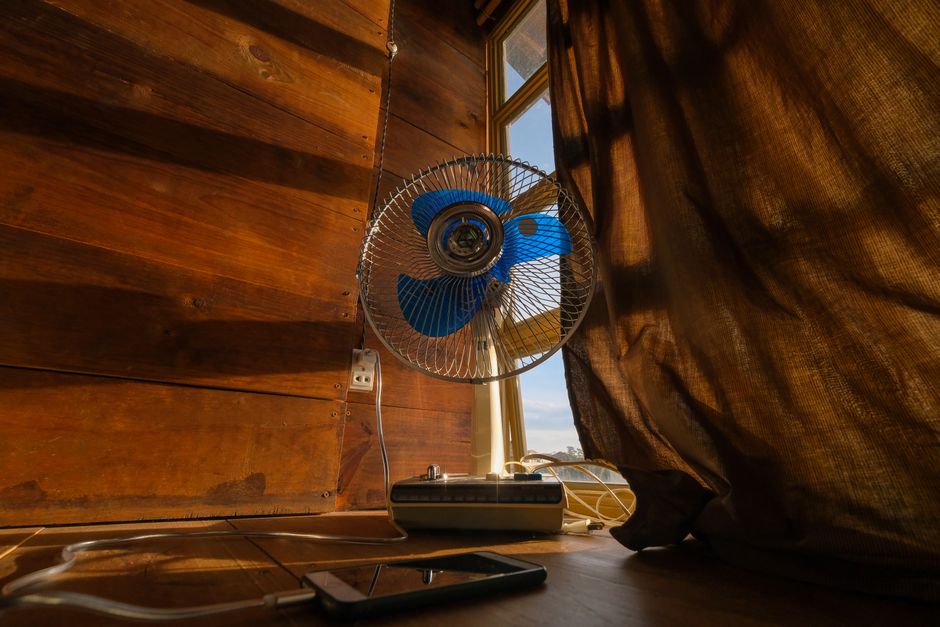
All three produce masking sound, but they suit different situations. A phone app is free and fine for testing whether masking helps you at all, though it ties up your phone and the free versions often loop a short recording that some people find distracting once they notice the repeat. A fan doubles as cooling and gives a natural, non-looping hum, but you cannot control the tone and it may move air you would rather avoid in winter.
A dedicated machine is the most controllable option: steady output all night, adjustable tone and volume, and no screen glowing by the bed. Mechanical models such as the Yogasleep Dohm Classic use a real internal fan so the sound never loops, while digital machines add timers and a choice of sounds. If you are weighing up specific models, our guide to the best white noise machines in the UK lines them up side by side.
So, is it worth it for noisy neighbours?
For most people dealing with everyday neighbour noise, a white noise machine is a small, low-cost change that makes the bedroom noticeably calmer and easier to fall asleep in. Set your expectations correctly: it masks sound rather than blocking it, it handles steady mid-range noise far better than deep bass, and it works best placed between you and the source at a comfortable volume. Treat it as one layer, add earplugs when the noise is loud or low, and you will get the quietest-feeling room your setup allows.
Best White Noise Machine UK (2026)
Yogasleep Dohm Classic Review
Loop Quiet 2 Earplugs Review