Dark Mornings: Room and Light Setup That Actually Helps
Winter mornings are a room-setup problem, not a willpower one. Curtains open or closed, how to layer bedroom lighting, and what to try before buying.
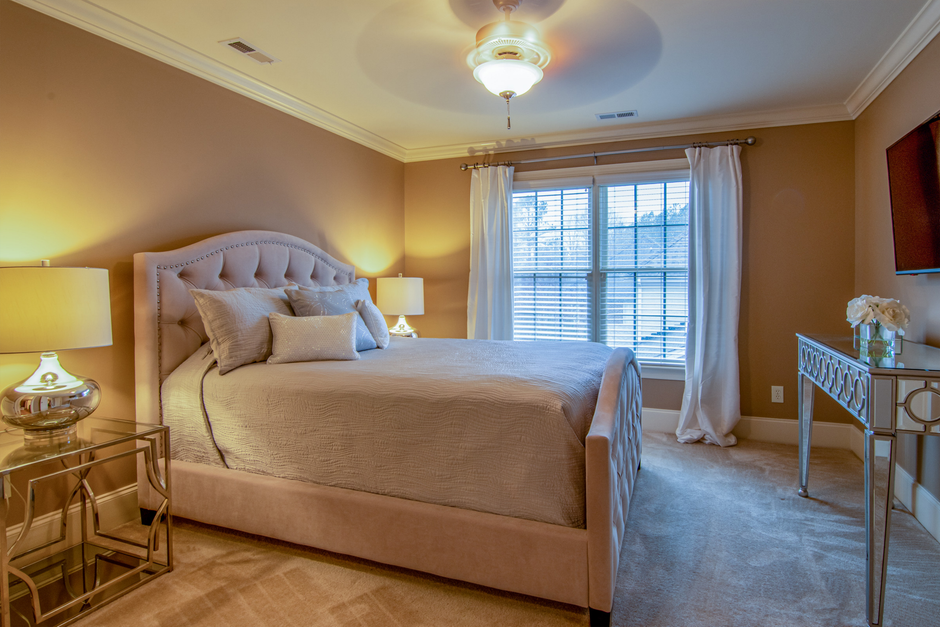
From roughly October to March in the UK, the alarm goes off well before anything outside the window changes. The room looks identical at seven in the morning to how it looked at three, and that is the practical problem: nothing about the space tells you the day has started. Most of what makes dark mornings easier is room setup rather than willpower.
Why do dark mornings feel harder than summer ones?
In summer the room does half the work for you. Light creeps in before the alarm, so by the time it sounds you have already been surfacing for a while and the alarm is a nudge rather than an interruption. In winter there is no such warning: you go from fully dark and asleep to fully dark and expected to be upright, with the alarm doing all of the transition on its own.
That is worth stating plainly because it reframes the fix. You are not trying to change how you sleep. You are trying to give the room the cue that the season has taken away, which is a setup problem with practical answers.
Should you sleep with the curtains open or closed in winter?
It depends entirely on what is outside your window, and it is worth deciding on purpose rather than by habit.
Leaving them open works when your window faces something quiet and unlit, and when you get up late enough that there is genuinely light to let in. In the depths of winter, and on a street with lamps, passing headlights or a neighbouring security light, open curtains cost you sleep quality all night and repay you with nothing at seven in the morning.
If your room is bright at night for reasons you cannot change, the more reliable approach is to keep the room properly dark for sleeping and supply the morning light yourself, indoors, on your own schedule. Trying to make one set of curtains do both jobs usually does neither well.
How should you layer bedroom lighting for dark mornings?
The common setup is one overhead light and nothing else, which gives you exactly two options: pitch black, or the full ceiling light straight into your eyes. Neither is a comfortable way to start.
Three layers cover it. A lamp within arm's reach of the bed, so the first light of the day arrives without you having to cross a dark room to find a switch. A brighter light wherever you actually get dressed, because that is where you need to see properly and it is usually not beside the bed. And the overhead light kept as the last step rather than the first, if you use it at all.
A smart plug or a bulb on a timer makes the first layer automatic, which matters more than it sounds: the hardest part of a dark morning is the bit that happens before you are awake enough to make decisions.
Do sunrise alarms help on dark mornings?
This is the season they are built for. A sunrise alarm brightens gradually over the half-hour or so before the alarm time, so the room is no longer identical to how it looked in the middle of the night by the time the sound arrives. It replaces the cue winter removed, and it does it without you needing to be awake to operate it.
Whether one earns its place depends on your room and your budget, and there are real downsides worth knowing before buying. Our guide to whether sunrise alarms are worth it works through both.
What order should you do things in?
Sequence matters more than any single purchase. Light first, at the lowest level that lets you move around, and only then the things that need you to be functional. Getting dressed in the brightest room in the flat rather than the darkest one is a free change that most people have simply never tried.
The other free change is deciding the night before what you are doing first, so that the dark part of the morning contains no decisions. Winter mornings punish improvisation.