How to Sleep During the Day: A Shift Worker's Guide
Sleeping after a night shift means beating daylight and a body clock pushing you awake. How to black out your room and time light so day sleep sticks.
If you work nights, you are trying to sleep during the day at exactly the time your body is built to wake you. Two separate things fight you: daylight leaking into the room, and a circadian signal - the body clock's internal alerting drive - that rises through the morning whether you slept or not. Persistent trouble with this pattern is common enough to have a medical name, shift work sleep disorder. The good news is that both halves of the problem respond to the same two levers: how dark you can make the room, and when you let bright light reach your eyes. This guide covers both.
Why is sleeping during the day so hard?
Night sleep has the body clock on its side. Day sleep has it as an opponent. The clock takes its main timing cue from light reaching the eyes, and morning light tells it to suppress melatonin, raise core temperature and push alertness up. Walk home from a night shift through a bright morning and you hand your clock exactly the signal that says the sleep period is over.
That is why day sleep tends to be shorter and lighter than night sleep even when you are exhausted. You fall asleep on a large sleep debt, but a few hours in, the rising circadian alerting signal starts working against staying asleep. The afternoon wake-up after four or five hours, still tired, is the classic result.
Light is not the only intruder. The daytime world is louder - deliveries, traffic, mowers, the rest of the household awake - and bedrooms are warmer in daylight hours. But light is the lever with the biggest circadian effect, which is why blackout comes first.
How dark does the room need to be?
Darker than most people bother with. Closed eyelids let a meaningful amount of light through, so a dim-but-not-dark room still delivers a wake signal while you sleep. The standard to aim for: with the blackout in place at midday, you should not be able to read a printed page, and after a minute of adjustment the room should feel like night.
The edges matter more than the middle. A quality blackout blind with a bright halo around all four sides fails at its one job, because the halo is what your eyes actually receive - light scatters into the room from every gap. Side and top gaps leak worst. This is why a cheap solution that seals the window edges usually beats an expensive one that does not.
Do not forget the small sources once the window is handled. Standby LEDs, a charging phone lighting up, and the strip of hallway light under the door all read as light to a dark-adapted eye. Black tape over the LEDs and a rolled towel or draught excluder at the door are unglamorous fixes that work.
How do you black out a bedroom for daytime sleep?
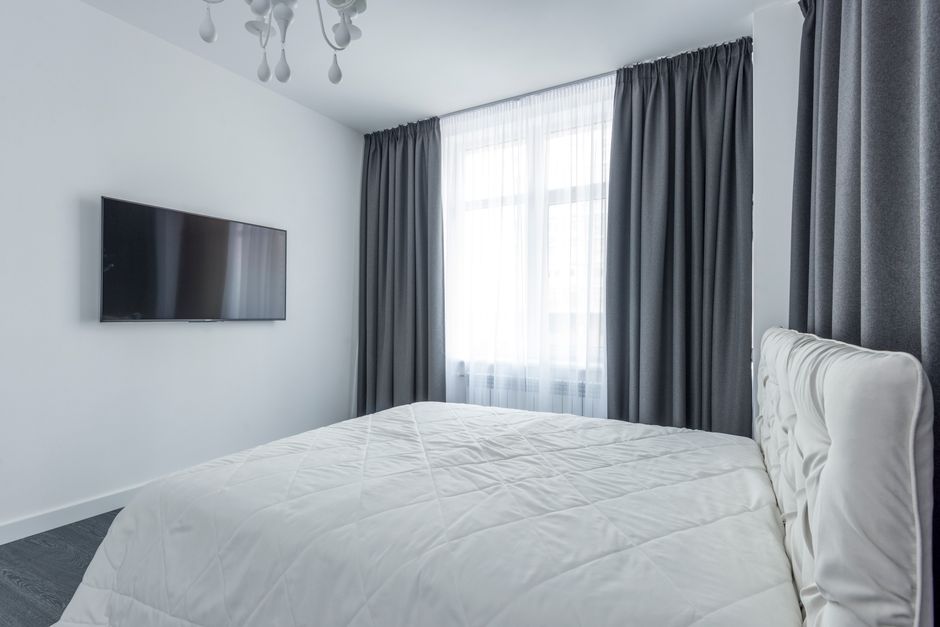
Layering beats any single product. A blind that covers the glass plus curtains that overlap the frame on all sides deals with both the glass and the gaps. If you rent, or do not want to put holes in the wall, the same result is achievable with suction, tension and adhesive fittings - our guide to blacking out a bedroom without drilling covers the options room by room, and our blackout solution comparison weighs blinds against curtains, films and travel fixes.
For shift work specifically, prioritise in this order:
- Seal the window edges first. Fit the blind inside the recess and the curtains outside it, wider and taller than the window, so each layer covers the other's gaps.
- Make it reversible daily. You want the room dark at 9am and normal at 6pm. Curtains and blinds win over taped-up foil, which tends to become permanent and makes the room feel like a crisis.
- Keep an eye mask as the backstop. A contoured mask travels with you, covers the nights you sleep away from home, and rescues the room whose blackout is 90% there. It is a backstop rather than the plan, because masks shift as you turn over.
When should you seek and avoid light around a night shift?
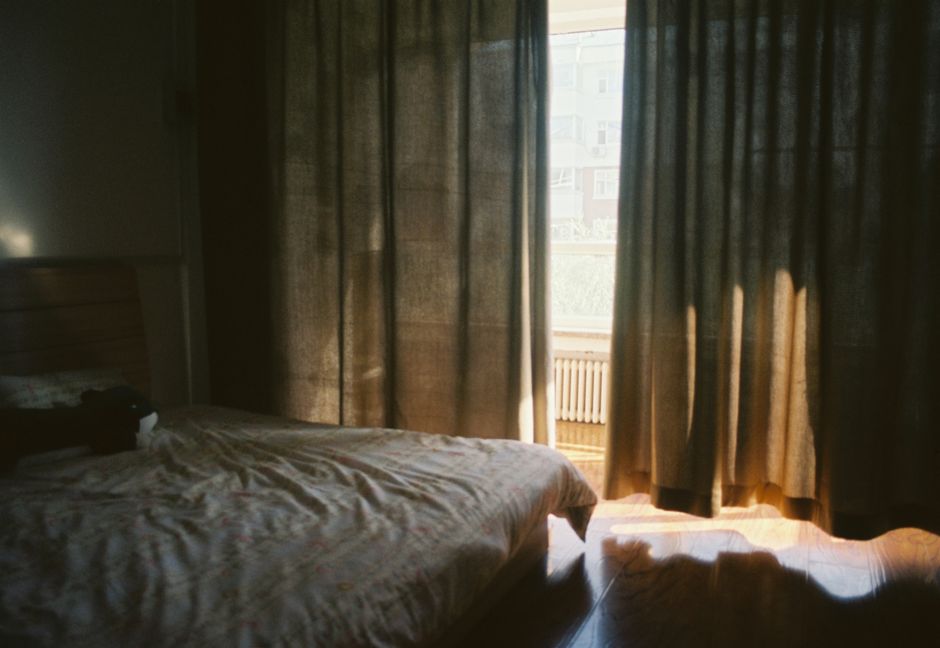
The room is half the job. The other half is what your eyes see in the hours around sleep, because light exposure sets when your body expects to sleep.
During the shift: keep your workspace brightly lit, especially in the first half of the night. Bright light at work props up alertness and helps shift your clock toward the schedule you are actually living.
On the way home: this is the step most people miss. Morning light on the commute is a direct instruction to your clock to start the day. Wear sunglasses for the journey home - the wraparound style blocks more of the sky - and skip the errands that keep you out in daylight. The supermarket run is better done on the way to work than after it.
Before bed: go straight to the dark room. Every brightly lit minute between shift and sleep pushes your clock the wrong way, and phone screens held close to the face count. If you need to wind down, do it in the dark room with audio rather than in a bright kitchen.
On waking: the mirror image applies. Get bright light as soon as you are up - daylight if there is any left, bright indoor light if not. It marks the start of your subjective day and defends the schedule you are trying to hold.
What else disturbs day sleep?
Noise is the day's second weapon. Daytime noise is intermittent - doorbells, deliveries, a neighbour's mower - and intermittent noise is far better at waking you than a steady background level. Masking with a fan or white noise machine, blocking with earplugs, or both together, are the standard fixes; our white noise vs earplugs guide covers which suits which situation. Tell the household your sleep hours, put a note on the doorbell, and silence the phone with an exception for the numbers that genuinely may not wait.
Heat builds through the morning, and a warm room fragments sleep on its own. The blackout layer helps here too - a covered window absorbs less sun - and the rest of the toolkit lives in our guide to keeping a bedroom cool.
Caffeine follows the same rule as on a day schedule, shifted: stop it in the second half of the shift. A coffee at 4am to finish the night is the same mistake as an espresso at 4pm before an 11pm bedtime.
Should you sleep in one block or split it?
One consolidated block straight after the shift suits most people: home, sunglasses, dark room, asleep by mid-morning. It uses the tail of the night's sleep pressure before the circadian alerting signal fully ramps up.
If you consistently wake after four or five hours and cannot get back to sleep, stop fighting it and plan a split instead: the main block after work, then a deliberate 60 to 90 minute nap in the late afternoon or early evening, before the next shift. That nap arrives in a natural dip in alertness, takes the edge off the coming night, and is easier to achieve than a sixth hour of morning sleep.
Workers on rotating patterns face a harder version of the problem, because the clock never settles. The most workable compromise is an anchor sleep: keep a core window of three to four hours that you protect on every schedule - work days and days off alike - and let the rest of your sleep move around it. Total darkness in the bedroom matters even more here, because the clock is being asked to tolerate constant change.
Frequently asked questions
Should I sleep straight after a night shift or stay up?
How long should I sleep after a night shift?
Do blackout curtains actually help shift workers?
Should I wear sunglasses after a night shift?
Is it harder to sleep during the day even in a dark room?
How to Black Out a Bedroom Without Drilling
How Does Light Exposure Set When You Sleep?